Author: Liz Roberts

  • Kore Technology’s 2026 Conference Schedule

    Kore Technology’s 2026 Conference Schedule

    Come along and meet our friendly team at the following conferences this year. We will keep this list updated as the year progresses. If you’d like to invite us to meet you at a conference or to participate in a presentation, exhibition or poster session, please get in touch with us at sales@kore.co.uk.


    July 2026 Date and location to be confirmed

    The UK Surface Analysis Forum (UKSAF) Summer Meeting

    The UK Surface Analysis Forum (UKSAF) is a society for scientists from academia and industry with a common interest in the techniques and applications of surface analysis. It meets twice yearly, in January and July, to discuss the latest research and issues of interest to the surface analysis community and to exchange views on current trends. In addition to these regular meetings the group collaborates with other scientific and industrial groups to promote and communicate the vital role played by surface analysis in both industry and academia.


    5-7 July 2026 Department of Chemistry, University of Warwick UK

    Metals of Life: Transforming Health, Energy, and Environment

    The symposium features cutting-edge sessions on topics including metals in life; drug discovery; photoactivatable therapeutics and photodynamic therapy (PDT); industrial round-table discussion; metallomics and speciation; catalysis for health and the environment; metals in imaging; analytical and computational chemistry.


    25-30 October 2026 Guangzhou, China

    25th International Conference on Secondary Ion Mass Spectrometry

    SIMS 25 will provide a forum for colleagues from academia, industries and research organizations throughout the world to exchange results and new ideas on SIMS and related techniques. The conference will cover advancements of scientific knowledge from fundamentals to applications. In addition to the main conference activities, attendees will have the opportunity to participate in a day of tutorials, ensuring a comprehensive understanding of the subject matter.


    With over 30 years at the heart of innovative analysis, we are experts in creating bespoke solutions across a spectrum of applications in vacuum physics, surface analysis and TOF-MS. If you’re attending the above conferences, come and challenge us! We would love to learn about your real-world analytical problems and use our practical and theoretical know-how to create an innovative solution customised for you.

    Curious? A quick glance at the product pages of our website will give you a good sense of what we offer.

    We look forward to meeting you.

  • The Kore Add-On TOF, Our 2025 Bestseller

    The Kore Add-On TOF, Our 2025 Bestseller

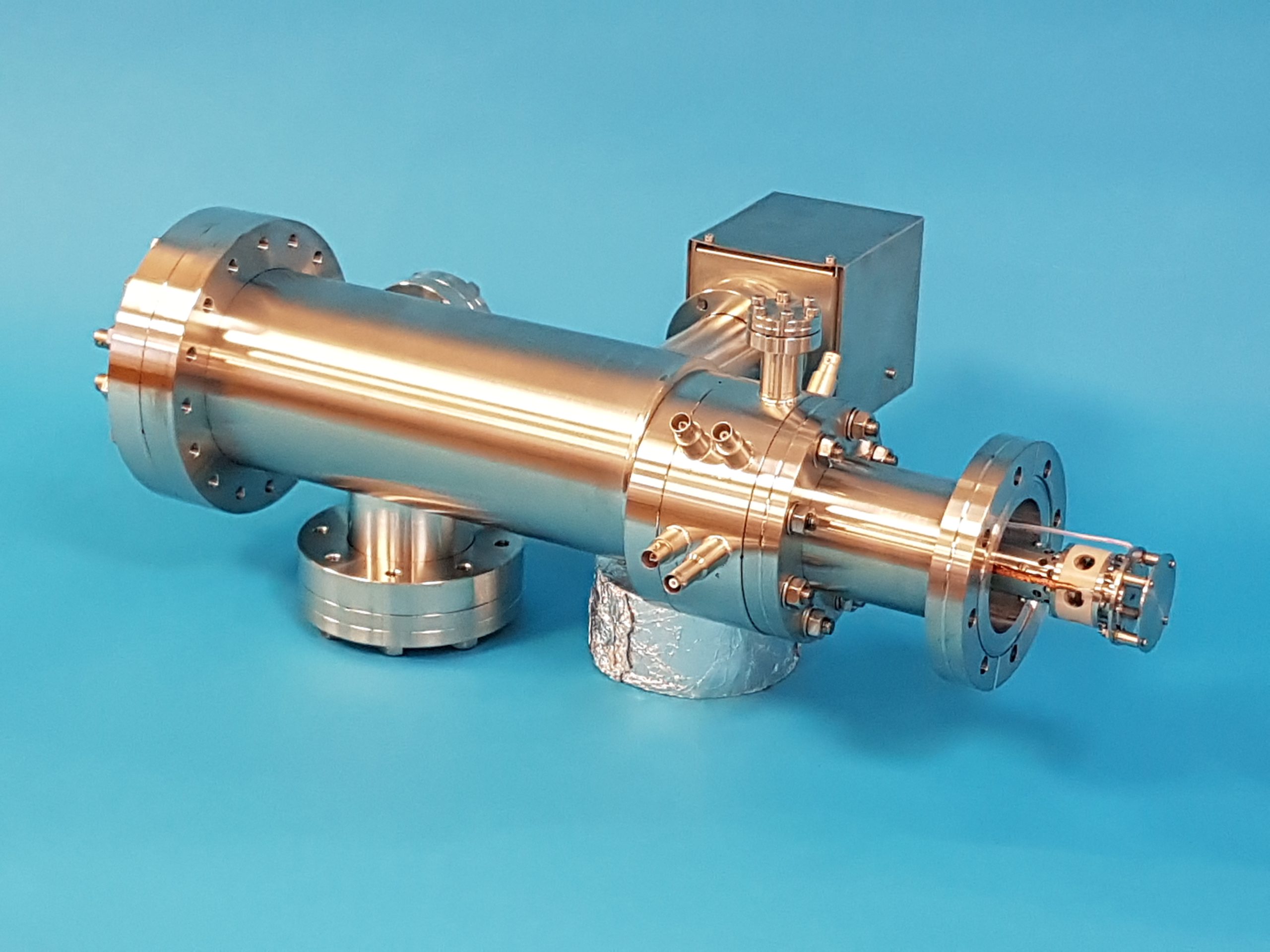
    Kore Technology is one of very few companies still willing to design and manufacture custom Time-of-Flight Mass Spectrometry (TOF-MS) systems. When considering adding a TOF-MS to existing experimental equipment, our clients start by explaining to the Kore team what analytical measurements they wish to achieve. Our team of physicists, chemists and electronics/mechanical engineers thrives on the challenge of providing these one-off, customised solutions.

    For our clients in 2025, we redesigned our Add-On TOF product range to offer:

    • 18mm Dual Micro Channel Plate (rather than discrete dynode) detector
    • Software-controlled power supply and data acquisition
    • Reconfigurable and variable length ion optics for custom applications
    • Operation at 120V and 240V
    • Analogue and digital ion-counting systems
    • Data outputs to integrate with various client software
    • Pressure-defining apertures to operate in a variety of pressure regimes

    This year, our Add-On TOF clients have challenged us in many state-of-the-art applications, including identification of combustion products in a molecular beam via skimmer cone; purification of short-half-life medical isotopes; energetic materials isotope purification for battery technology; laser-ionization of neutral atomic beams; characterisation of electrospray ion beam deposition; and integration with atomic vapour deposition equipment for metallurgy research.

    The Add-On TOF can be configured with or without an electron impact ion source prior to the ion optics. The ion detection system can either be a digital pulse counting system, or an analogue counting system, depending on the nature of the experiments. Our team is very happy to advise.

    Our enhanced client support comes as standard, as anyone who’s ever bought a Kore instrument will attest – no problem is unresolvable. We support our users and their instruments long-term, with some Kore instruments in daily use 20 years after delivery! Our knowledgeable team can provide spare parts and maintenance agreements to support you and your system.
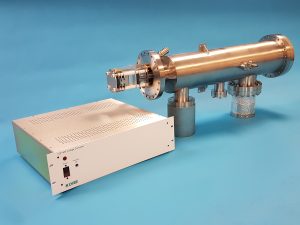
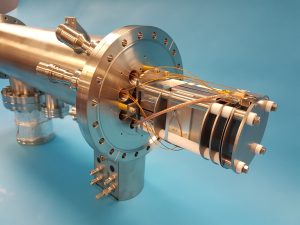


    As we look ahead to the year-end festivities, it’s time to sing the praises of the Kore Add-On TOF, our 2025 bestseller.  

    While most manufacturers converge on standardised analytical products, Kore Technology remains a rare find, helping unique world-class scientists to achieve unprecedented measurement goals.

    The Kore team extends thanks to all our Add-On TOF clients (see recent publications list).


    Publications

    2025


    Parida, D., Chen, J., Schorr, L., Nguyen, V.T., Saqib, M., Bayer, A., Zappa, F. and Denifl, S., 2025. Electron interaction with laser-desorbed thymidine and guanine in the gas phase. The European Physical Journal D, 79(6), pp.1-10. DOI: 10.1140/epjd/s10053-025-01023-9. https://link.springer.com/article/10.1140/epjd/s10053-025-01023-9


    Debes, D.B., Mendes, M., Rodrigues, R., Ameixa, J., Cornetta, L.M., da Silva, F.F. and Eden, S., 2025. Sequential dissociation of ionized benzonitrile: New pathways to reactive interstellar ions and neutrals. Astronomy & Astrophysics, 693, p.A304. DOI: 10.1051/0004-6361/202449818 https://www.aanda.org/articles/aa/abs/2025/01/aa49818-24/aa49818-24.html


    Wang, Y., Grabicki, N., Orio, H., Cojal González, J.D., Li, J., Gao, J., Zhang, X., Cerqueira, T.F., Marques, M.A., Jiang, Z. and Reinert, F., 2025. In-Architecture X-ray Assisted C–Br Dissociation for On-Surface Fabrication of Nanodiamond Chains. ACS Applied Nano Materials. DOI: 10.1021/acsanm.5c03184 https://pubs.acs.org/doi/full/10.1021/acsanm.5c03184


    Chauhan, V., Bhat, C.P., Deshpande, V.V., Bandyopadhyay, D. and Bhattacharyya, S., 2025. Ammonia Activation and Nitride Formation Pathways in Transition Metal Clusters: Insights from Mass Spectrometry and First-Principles DFT. The Journal of Physical Chemistry A, 129(37), pp.8577-8584. DOI: 10.1021/acs.jpca.5c04459 https://pubs.acs.org/doi/full/10.1021/acs.jpca.5c04459


    Deshpande, V.V., Bandyopadhyay, D., Chauhan, V., Kumari, G. and Bhattacharyya, S., 2025. Investigating the stable structures of yttrium oxide clusters: Y n clusters as promising candidates for O 2 dissociation. Dalton Transactions, 54(16), pp.6402-6410. DOI: 10.1039/D5DT00357A https://pubs.rsc.org/en/content/articlehtml/2025/dt/d5dt00357a


    2024


    Wang, Y., Wang, Z., Qiu, Z., Zhang, X., Chen, J., Li, J., Narita, A., Müllen, K. and Palma, C.A., 2023. Hydrogenation of hexa-peri-hexabenzocoronene: An entry to nanographanes and nanodiamonds. ACS nano, 17(19), pp.18832-18842. DOI: 10.1021/acsnano.3c03538 https://pubs.acs.org/doi/full/10.1021/acsnano.3c03538


    Tahir, S., Shkodich, N., Eggert, B., Lill, J., Gatsa, O., Flimelová, M., Adabifiroozjaei, E., Bulgakova, N.M., Molina ‐ Luna, L., Wende, H. and Farle, M., 2024. Synthesis of high entropy alloy nanoparticles by pulsed laser ablation in liquids: Influence of Target Preparation on Stoichiometry and Productivity. ChemNanoMat, 10(5), p.e202400064. DOI: 10.1002/cnma.202400064 https://aces.onlinelibrary.wiley.com/doi/full/10.1002/cnma.202400064


    2023


    Wang, Y., Grabicki, N., Orio, H., Cojal González, J.D., Li, J., Gao, J., Zhang, X., Cerqueira, T.F., Marques, M.A., Jiang, Z. and Reinert, F., 2025. In-Architecture X-ray Assisted C–Br Dissociation for On-Surface Fabrication of Nanodiamond Chains. ACS Applied Nano Materials. DOI: 10.1021/acsnano.3c03538 https://pubs.acs.org/doi/full/10.1021/acsanm.5c03184


    Bhattacharyya, S. and Deshpande, V.V., 2023. Threshold Photoionization and Density Functional Theory Investigations of Small Lanthanum Monoxide Clusters, La n O (n= 2–10). The Journal of Physical Chemistry A, 127(36), pp.7460-7469. DOI: 10.1021/acs.jpca.3c03575 https://pubs.acs.org/doi/full/10.1021/acs.jpca.3c03575


    2022

    Zhang, X., Gärisch, F., Chen, Z., Hu, Y., Wang, Z., Wang, Y., Xie, L., Chen, J., Li, J., Barth, J.V. and Narita, A., 2022. Self-assembly and photoinduced fabrication of conductive nanographene wires on boron nitride. Nature Communications, 13(1), p.442. DOI: 10.1038/s41467-021-27600-1 https://www.nature.com/articles/s41467-021-27600-1


    Bhattacharyya, S., Bandyopadhyay, D., Mukund, S., Sen, P. and Nakhate, S.G., 2022. Ionization Energies and Ground-State Structures of Neutral La n (n= 2–14) Clusters: A Combined Experimental and Theoretical Investigation. The Journal of Physical Chemistry A, 126(20), pp.3135-3144. DOI: 10.1021/acs.jpca.2c00967 https://pubs.acs.org/doi/full/10.1021/acs.jpca.2c00967


    Frolov, A. and Sheindlin, M., 2022. Mass spectrometric study of the laser-produced carbon vapor up to 4500 K. Carbon, 196, pp.474-482. DOI: 10.1016/j.carbon.2022.03.078 https://www.sciencedirect.com/science/article/pii/S0008622322002640


    2021

    Sheindlin, M., Frolov, A., Petukhov, S., Bottomley, D., Masaki, K., Manara, D. and Costa, D., 2022. Mass spectrometric study of the laser ‐ evaporated Fe–Zr–O system up to 3300 K. Journal of the American Ceramic Society, 105(3), pp.2161-2170. DOI: 10.1111/jace.18185 https://ceramics.onlinelibrary.wiley.com/doi/abs/10.1111/jace.18185


    Pereira-da-Silva, J., Rodrigues, R., Ramos, J., Brigido, C., Botnari, A., Silvestre, M., Ameixa, J., Mendes, M., Zappa, F., Mullock, S.J. and Araujo, J.M., 2021. Electron driven reactions in tetrafluoroethane: Positive and negative ion formation. Journal of the American Society for Mass Spectrometry, 32(6), pp.1459-1468. DOI: 10.1021/jasms.1c00057 https://pubs.acs.org/doi/full/10.1021/jasms.1c00057


    Yang, J., Smith, M.C., Prendergast, M.B., Chu, T.C. and Green, W.H., 2021. C 14 H 10 polycyclic aromatic hydrocarbon formation by acetylene addition to naphthalenyl radicals observed. Physical Chemistry Chemical Physics, 23(26), pp.14325-14339. DOI: 10.1039/d1cp01565f https://pubs.rsc.org/en/content/articlehtml/2021/cp/d1cp01565f


    Bocková, J., Rebelo, A., Ryszka, M., Pandey, R., Mészáros, D., Limão-Vieira, P., Papp, P., Mason, N.J., Townsend, D., Nixon, K.L. and Vizcaino, V., 2021. Thermal desorption effects on fragment ion production from multi-photon ionized uridine and selected analogues. RSC advances, 11(34), pp.20612-20621. DOI: 10.1039/d1ra01873f https://pubs.rsc.org/en/content/articlehtml/2021/ra/d1ra01873f


    2020


    Wang, Z., Qian, K., Öner, M.A., Deimel, P.S., Wang, Y., Zhang, S., Zhang, X., Gupta, V., Li, J., Gao, H.J. and Duncan, D.A., 2020. Layer-by-layer epitaxy of porphyrin− ligand Fe (II)-Fe (III) nanoarchitectures for advanced metal–organic framework growth. ACS Applied Nano Materials, 3(12), pp.11752-11759. DOI: 10.1021/acsanm.0c02237 https://pubs.acs.org/doi/full/10.1021/acsanm.0c02237


    Lewis, T.R., Gómez Martín, J.C., Blitz, M.A., Cuevas, C.A., Plane, J. and Saiz-Lopez, A., 2020. Determination of the absorption cross sections of higher-order iodine oxides at 355 and 532 nm. Atmospheric Chemistry and Physics, 20(18), pp.10865-10887. DOI: 10.5194/acp-20-10865-2020 https://acp.copernicus.org/articles/20/10865/2020/acp-20-10865-2020.html


    Gómez Martín, J.C., Lewis, T.R., Blitz, M.A., Plane, J.M., Kumar, M., Francisco, J.S. and Saiz-Lopez, A., 2020. A gas-to-particle conversion mechanism helps to explain atmospheric particle formation through clustering of iodine oxides. Nature Communications, 11(1), p.4521. DOI: 10.1038/s41467-020-18252-8 https://www.nature.com/articles/s41467-020-18252-8


    da Silva, F.F., Pamplona, B., Mendes, M., García, G. and Limão-Vieira, P., 2020. Electron transfer to phenyl boronic acid upon potassium collisions. In Journal of Physics: Conference Series (Vol. 1412, No. 5, p. 052002). IOP Publishing. DOI: 10.1088/1742-6596/1412/5/05200 https://iopscience.iop.org/article/10.1088/1742-6596/1412/5/052002/meta


    Smith, M.C., Liu, G., Buras, Z.J., Chu, T.C., Yang, J. and Green, W.H., 2020. Direct measurement of radical-catalyzed C6H6 formation from acetylene and validation of theoretical rate coefficients for C2H3+ C2H2 and C4H5+ C2H2 reactions. The Journal of Physical Chemistry A, 124(14), pp.2871-2884. DOI: 10.1021/acs.jpca.0c00558 https://pubs.acs.org/doi/full/10.1021/acs.jpca.0c00558


    Wolff, W., Perlin, A., Oliveira, R.R., Fantuzzi, F., Coutinho, L.H., de A Ribeiro, F. and Hilgers, G., 2020. Production of long-lived benzene dications from electron impact in the 20–2000 eV energy range combined with the search for global minimum structures. The journal of physical chemistry A, 124(44), pp.9261-9271. DOI: 10.1021/acs.jpca.0c07931 https://pubs.acs.org/doi/full/10.1021/acs.jpca.0c07931


    2019


    Chu, T.C., Buras, Z.J., Smith, M.C., Uwagwu, A.B. and Green, W.H., 2019. From benzene to naphthalene: direct measurement of reactions and intermediates of phenyl radicals and acetylene. Physical Chemistry Chemical Physics, 21(40), pp.22248-22258. DOI: 10.1039/C9CP04554F https://pubs.rsc.org/en/content/articlehtml/2019/cp/c9cp04554f


    Mendes, M., Probst, M., Maihom, T., García, G. and Limão-Vieira, P., 2019. Selective bond excision in nitroimidazoles by electron transfer experiments. The Journal of Physical Chemistry A, 123(18), pp.4068-4073. DOI: 10.1021/acs.jpca.9b02064 https://pubs.acs.org/doi/full/10.1021/acs.jpca.9b02064


    Mendes, M., Pamplona, B., Kumar, S., da Silva, F.F., Aguilar, A., García, G., Bacchus-Montabonel, M.C. and Limao-Vieira, P., 2019. Ion-pair formation in neutral potassium-neutral pyrimidine collisions: Electron transfer experiments. Frontiers in Chemistry, 7, p.264. DOI: 10.3389/fchem.2019.00264 https://www.frontiersin.org/journals/chemistry/articles/10.3389/fchem.2019.00264/full


    Lozano, A.I., Pamplona, B., Kilich, T., Łabuda, M., Mendes, M., Pereira-da-Silva, J., García, G., Gois, P.M., Ferreira da Silva, F. and Limão-Vieira, P., 2019. The role of electron transfer in the fragmentation of phenyl and cyclohexyl boronic acids. International Journal of Molecular Sciences, 20(22), p.5578. DOI: 10.3390/ijms20225578 https://www.mdpi.com/1422-0067/20/22/5578


    2018


    Kusumoto, T., Fromm, M., Cloutier, P., Bass, A.D., Sanche, L., Barillon, R. and Yamauchi, T., 2018. Elucidation of the two-step damage formation process of latent tracks in poly (allyl diglycol carbonate), PADC: role of secondary low-energy electrons. The Journal of Physical Chemistry C, 122(36), pp.21056-21061. DOI: 10.1021/acs.jpcc.8b05341 https://pubs.acs.org/doi/full/10.1021/acs.jpcc.8b05341


    Fantuzzi, F., Rudek, B., Wolff, W. and Nascimento, M.A.C., 2018. Doubly and triply charged species formed from chlorobenzene reveal unusual C–Cl multiple bonding. Journal of the American Chemical Society, 140(12), pp.4288-4292. DOI: 10.1021/jacs.7b12749 https://pubs.acs.org/doi/full/10.1021/jacs.7b12749


    2017


    Pandey, R., Lalande, M., Ryszka, M., Limao-Vieira, P., Mason, N.J., Poully, J.C. and Eden, S., 2017. Stabilities of nanohydrated thymine radical cations: insights from multiphoton ionization experiments and ab initio calculations. The European Physical Journal D, 71(7), p.190. DOI: 10.1140/epjd/e2017-70827-1 https://link.springer.com/article/10.1140/epjd/e2017-70827-1


    Martín, J.C.G., Daly, S.M., Brooke, J.S. and Plane, J.M., 2017. Absorption cross sections and kinetics of formation of AlO at 298 K. Chemical Physics Letters, 675, pp.56-62. DOI: 10.1016/j.cplett.2017.02.087 https://www.sciencedirect.com/science/article/pii/S0009261417302129


    2016


    Ryszka, M., Pandey, R., Rizk, C., Tabet, J., Barc, B., Dampc, M., Mason, N.J. and Eden, S., 2016. Dissociative multi-photon ionization of isolated uracil and uracil-adenine complexes. International Journal of Mass Spectrometry, 396, pp.48-54. DOI: 10.1016/j.ijms.2015.12.006 https://www.sciencedirect.com/science/article/pii/S1387380615004194


    2015


    Gómez Martín, J.C., Garraway, S.A. and Plane, J.M.C., 2016. Reaction kinetics of meteoric sodium reservoirs in the upper atmosphere. The Journal of Physical Chemistry A, 120(9), pp.1330-1346. DOI: 10.1021/acs.jpca.5b00622 https://pubs.acs.org/doi/full/10.1021/acs.jpca.5b00622


  • Promotion of TOF-SIMS in China by SDL and Kore

    Promotion of TOF-SIMS in China by SDL and Kore

    Kore works closely with our parent company, Beijing SDL Technology Co Ltd, to develop instruments suitable for developing markets in China. We are proud to deliver sensitive analytical instruments at a sensible price, thereby widening access to this much-needed resource. A current major focus in China is contamination analysis in semiconductor fabrication plants. For this type of work, our TOF-SIMS instruments are perfect for the Chinese market. Our SurfaceSeer S and SurfaceSeer I are highly sensitive to surface contaminants within the top three to four atomic layers, with detection limits of 1×10⁹ atoms/cm2 (ppm), and they cost a fraction of the price of our competitors’ instruments, thereby lowering the barrier to acquisition.

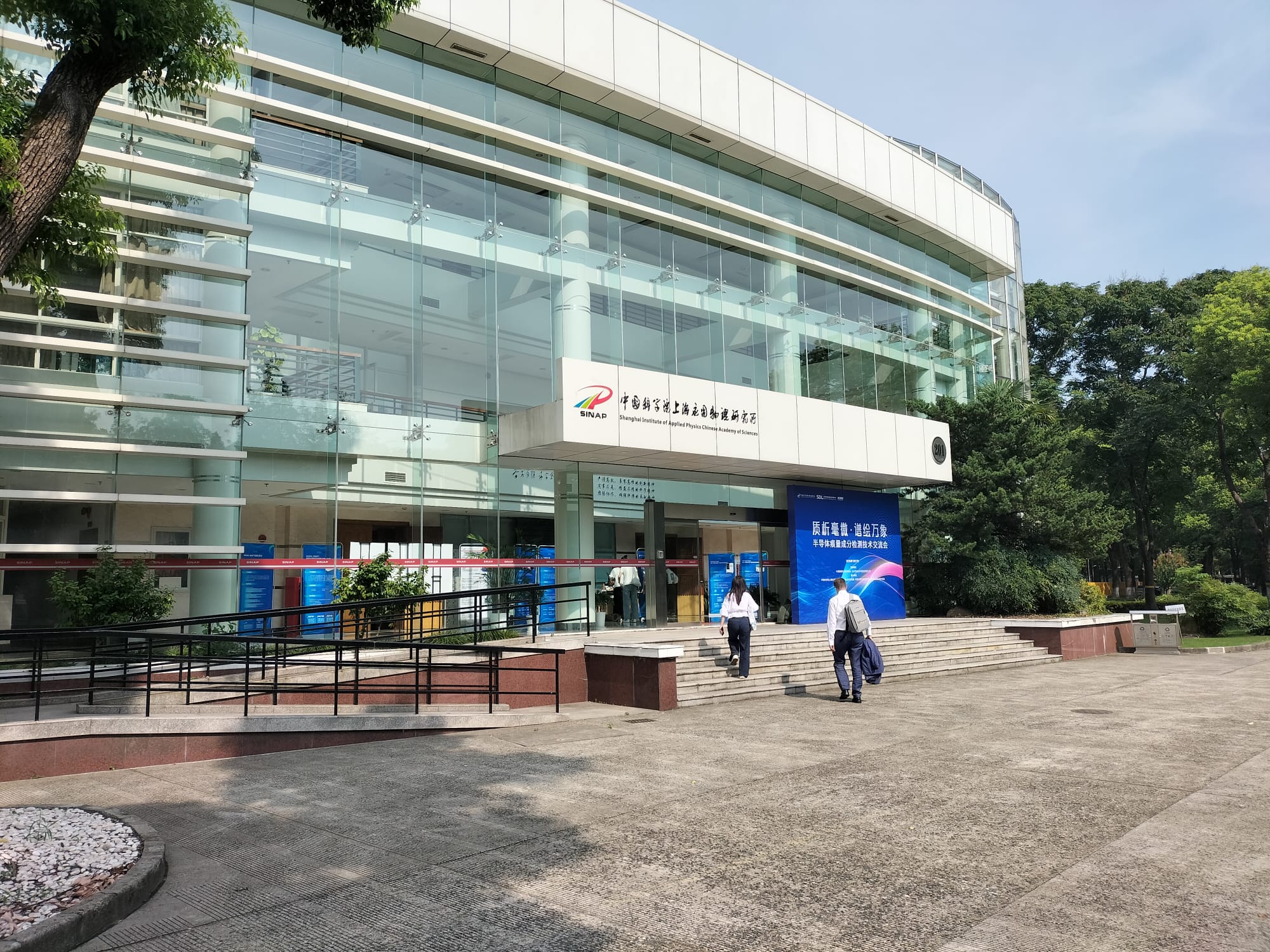
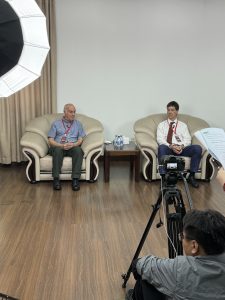
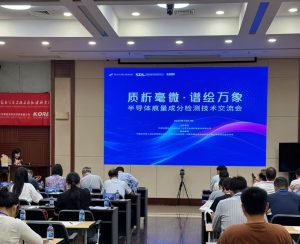
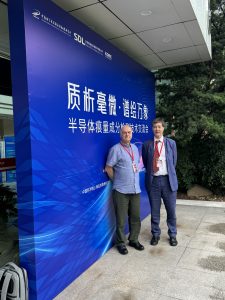
    On 17th July 2025, Kore’s Managing Director, Steve Mullock, and Projects Manager, Fraser Reich, attended SDL’s first ever conference specifically related to TOF-SIMS. SDL brought together a large multi-stakeholder group from industrial, academic and governmental scientific departments, all with an interest in surface analysis. The meeting was held at The Shanghai Institute of Applied Physics (SINAP) Chinese Academy of Sciences, with major media coverage by Antpedia.

    Steve gave a presentation entitled “TOF-SIMS – An Essential Technique for a Modern Surface Science Laboratory”, in which he explained the value of TOF-SIMS as the most powerful technique for analysis of the top layers responsible for many important properties such as adhesion, catalytic potential, printability, biocompatibility and wettability. Steve reinforced the message that any laboratory with XPS instrumentation should consider adding TOF-SIMS to their repertoire. TOF-SIMS is the perfect complement to XPS and FTIR, offering higher spatial resolution with less surface damage.

    Fraser delivered a lecture on “The Practical Use of TOF-SIMS for Solving Problems in Material Science”, drawing on his long experience of applications development on a wide range of TOF-SIMS instruments. Fraser described how TOF-SIMS was ideal instrumentation for solving challenges where knowledge of surface chemistry is critical. He gave examples from a wide range of applications including: characterisation of polymer films and adhesion failures; self-assembled monolayer (SAM) studies; hard disk lubricant chemistry and failures; quantification of low-concentration metals on silicon wafers; imaging analysis of semiconductor patterned wafers, characterisation of unwanted particles on semiconductor devices; and shallow depth profiles of semiconductor layer structures. As he put it, “The list of possibilities is endless – any application where the chemistry of the top surface is critical could be in this list.”

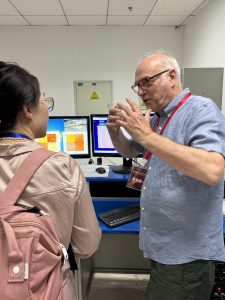
    In workshop sessions in the SINAP laboratory, Fraser and Steve demonstrated the Kore SurfaceSeer I which has provided data for many scientific endeavours. SurfaceSeers provide analysis via static TOF-SIMS, rather than dynamic. The difference is that in static SIMS, the surface of the sample can be considered to be (effectively) undamaged because of the low ion dose rate, meaning that static SIMS, unlike dynamic, gives a true representation of the sample in its unspoilt state. Kore’s latest video “Static TOF-SIMS with Kore SurfaceSeer” explained this to the delegates in more detail, and generated lots of interest in the potential for scientific advances.

    The meeting was a great success, and we thank SDL for introducing Kore to such an esteemed audience of interested parties from across China. We are very excited to see the expansion of TOF-SIMS into many applications in this price-sensitive sector.


    Watch the video “Static TOF-SIMS with Kore SurfaceSeer” here.


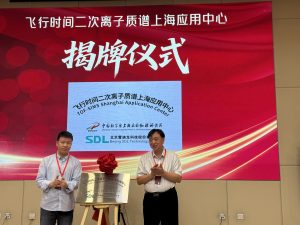
    SINAP’s Director of Materials Research Dr Huanghefei and SDL’s CEO Mr Xiao Qiang Ao unveiling the TOF-SIMS Shanghai Application Center at SINAP.


  • Celebrating 30 years of the Kore “BioTOF” TOF-SIMS for biological samples

    Celebrating 30 years of the Kore “BioTOF” TOF-SIMS for biological samples

    Time-of-Flight Secondary Ion Mass Spectrometry (TOF-SIMS) is a highly surface-sensitive analytical technique, enabling non-destructive analysis of the top three to five atom layers of a sample. Kore manufactures a range of TOF-SIMS instruments, each optimised for different sample types and providing a unique combination of performance characteristics:

    • High surface sensitivity
    • High chemical and isotopic specificity
    • High spatial resolution in two and three dimensions

    Our TOF-SIMS instruments have been used globally in diverse scientific fields, including biochemistry.

    Looking back to the year 1995, the Kore team took on the challenge of developing the first biochemical microscope for cell surface analysis, which is still in use today. Kore’s Managing Director, Dr Steve Mullock, says: “30 years ago, Kore started development of the ‘BioTOF’, to provide a window into the underlying biochemical mechanisms of single cells. Building on initial exploratory studies with Professor John Vickerman at UMIST and colleagues at Penn State University, our primary goal was to develop the sample processing and software for freeze-fracture in-situ surface analysis of individual microbial cells and for spatial localisation of microbial metabolites at the sub-µm scale.”

    The design was led by Kore’s Mechanical Engineer, Clive Corlett, who has been designing systems and components for Kore since its inception in 1991. Clive recalls “We needed to prepare biological samples in a form which stabilises the hydration state of the cellular material. This then had to be introduced into the vacuum system in a matter of seconds, without damage to its structure. We designed sample manipulation facilities which enabled the cell surface to be held in a stable state. Once our freeze-fracture system had been developed and tested on model liposomes, our BioTOF clients were able to carry out all sorts of interesting research.”

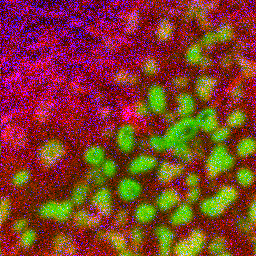
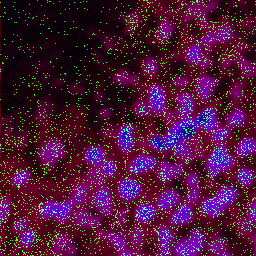
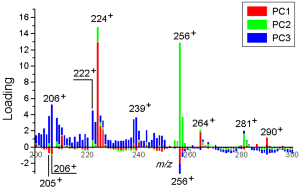
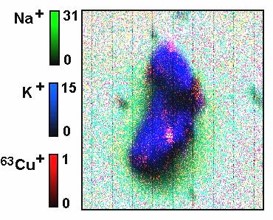
    One of Kore’s long-term clients of the BioTOF is the Surface Analysis Research Centre at the University of Manchester (previously UMIST), UK. The world-renowned group, established by Professor John Vickerman and currently led by Professor Nick Lockyer, has used Kore-derived instrumentation as the ideal platform to test and develop advances in SIMS technology. Professor Lockyer says: “For 30 years, the BioTOF SIMS instrument has been a workhorse for demonstrating a range of advances, such as freeze-fractured sample preparation, polyatomic sputtering for 3D molecular imaging, laser post-ionisation and high-mass detection. Analytes have ranged from isotopic elements to metabolites and other biological molecules up to several hundred mass units. Among our group’s most significant outputs were the first 3D molecular SIMS image of a single biological cell, and the first molecular TOF-SIMS characterisation of cancer cells. The instrument has showcased the advantages of novel primary ion beams (Aun and C60), contributing to significant upgrades in SIMS performance in industry and academia.”

    Kore celebrates three decades of enhanced support for our BioTOF users around the world. “The BioTOF-SIMS has been a great example of Kore’s flexibility and experimental approach to instrument development, taking on the new design risk so that others can follow”, says Professor Lockyer. “Science is driven through measurement. SME instrument manufacturers bring disruptive technologies and concepts to the marketplace which enable advances in metrology and downstream impacts to society through their widespread uptake.” Kore thrives on this symbiotic relationship between our skilled designers and worldwide visionary scientists, raising the bar for instrument development.

    Professor Nick Lockyer seeks to address the most challenging applications and fundamental questions in SIMS. “The Kore BioTOF-SIMS has analysed fossils, biological cells and tissues, advanced materials, textiles, bacteria, atmospheric aerosols, and even Martian meteorite! The design concept of the BioTOF-SIMS, together with the expertise and philosophy of the team at Kore Technology, has provided the means to address these challenges successfully. This includes flexibility in experimental configuration and customisation, together with a willingness from Kore to build long-term, productive customer relations.”


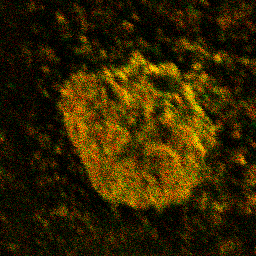
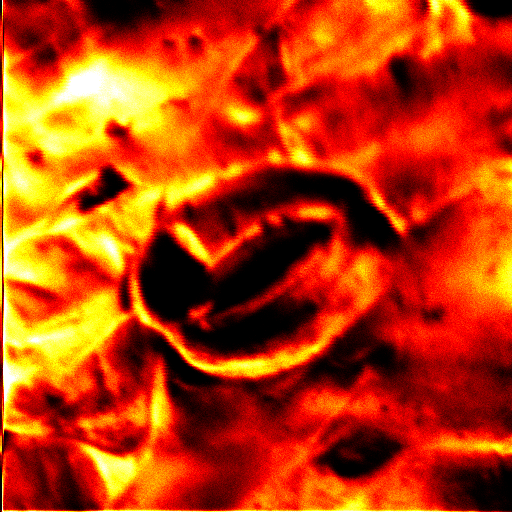
    Martian meteorite
    Leaf stomata cells


    Boron-treated tumour cells


    Multivariate analysis of cancer cell data 

    Prostate cancer cell


    Further Reading

    Quantitative surface analysis of a binary drug mixture—suppression effects in the detection of sputtered ions and post-ionized neutrals.
    Gabriel Karras, Nicholas P. Lockyer
    Journal of The American Society for Mass Spectrometry 25 (2014): 832-840

    Investigating the effect of temperature on depth profiles of biological material using ToF-SIMS.
    Alan Piwowar, John Fletcher, Nicholas Lockyer and John Vickerman

    Surface and Interface Analysis 43 (2011): 207-210

    Effects of Cryogenic Sample Analysis on Molecular Depth Profiles with TOF-Secondary Ion Mass Spectrometry.

    Alan M. Piwowar, John S. Fletcher, Jeanette Kordys, Nicholas P. Lockyer, Nicholas Winograd, and John C. Vickerman

    Analytical Chemistry 82 (19) (2010): 8291-8299

    Explanatory multivariate analysis of ToF-SIMS spectra for the discrimination of bacterial isolates.
    Seetharaman Vaidyanathan, John S. Fletcher, Roger M. Jarvis, Alex Henderson, Nicholas P. Lockyer, Royston Goodacre and John C. Vickerman
    Analyst 134 (2009): 2352-2360

    A cancer research UK pharmacokinetic study of BPA-mannitol in patients with high grade glioma to optimise uptake parameters for clinical trials of BNCT.
    Cruickshank, G. S.; Ngoga, D.; Detta, A.; Green, S.; James, N. D.; Wojnecki, C.; Doran, J.; Hardie, J.; Chester, M.; Graham, N.; Ghani, Z.; Halbert, G.; Elliot, M.; Ford, S.; Braithwaite, R.; Sheehan, T. M. T.; Vickerman, J.; Lockyer, N.; Steinfeldt, H.; Croswell, G.; Chopra, A.; Sugar, R.; Boddy, A.

    Applied Radiation and Isotopes 67 (2009): S31-S33

    TOF-SIMS investigation of Streptomyces coelicolor, a mycelial bacterium.
    Seetharaman Vaidyanathan, John S. Fletcher, Nicholas P. Lockyer and John C. Vickerman
    Applied Surface Science 255 (2008): 922-925

    ToF-SIMS PC-DFA analysis of prostate cancer cell lines.
    Baker M.J., Gazi E., Brown M.D., Clarke N.W., Vickerman J.C. and Lockyer N.P.
    Applied Surface Science 255 (2008): 1084-1087

    Mass spectral imaging of glycophospholipids, cholesterol, and glycophorin A in model cell membranes.
    Matthew J. Baker, Leiliang Zheng, Nicholas Winograd, Nicholas P. Lockyer and John C. Vickerman
    Langmuir 24 (2008): 11803-11810

    Discrimination of prostate cancer cells and non-malignant cells using secondary ion mass spectrometry.
    Matthew J. Baker, Michael D. Brown, Ehsan Gazi, Noel W. Clarke, John C. Vickerman and Nicholas P. Lockyer
    Analyst 133 (2008): 175-179

    Depth profiling brain tissue sections with a 40 keV C60+ primary ion beam.
    Emrys A. Jones, Nicholas P. Lockyer, John C. Vickerman
    Analytical Chemistry 80 (2008): 2125-2132

    Subsurface biomolecular imaging of Streptomyces coelicolor using secondary ion mass spectrometry.
    Seetharaman Vaidyanathan, John S. Fletcher, Roy Goodacre, Nicholas P. Lockyer, Jason Micklefield, and John C. Vickerman
    Analytical Chemistry 80 (2008): 1942-1951

    Properties of C84 and C24H12 molecular ion sources for routine TOF-SIMS analysis.
    Biddulph, Gregory X.; Piwowar, Alan M.; Fletcher, John S.; Lockyer, Nicholas P.; Vickerman, John C.
    Analytical Chemistry 79 (2007): 7259-7266

    Suppression and enhancement of secondary ion formation due to the chemical environment in static-secondary ion mass spectrometry.
    Jones, Emrys A.; Lockyer, Nicholas P.; Kordys, Jeanette; Vickerman, John C.
    Journal of the American Society for Mass Spectrometry 18 (2007): 1559-1567

    TOF-SIMS 3D biomolecular imaging of Xenopus laevis oocytes using Buckminsterfullerene (C60) primary ions.
    Fletcher, John S.; Lockyer, Nicholas P.; Vaidyanathan, Seetharaman; Vickerman, John C.

    Analytical Chemistry 79 (2007): 2199-2206

    Mass spectral analysis and imaging of tissue by ToF-SIMS—The role of Buckminsterfullerene, C60 +, primary ions.
    Jones, Emrys A.; Lockyer, Nicholas P.; Vickerman, John C.
    International Journal of Mass Spectrometry 260 (2007): 146-157

    TOF-SIMS analysis using C60. Effect of impact energy on yield and damage.
    Fletcher, John S.; Conlan, Xavier A.; Jones, Emrys A.; Biddulph, Greg; Lockyer, Nicholas P.; Vickerman, John C.
    Analytical Chemistry 78 (2006): 1827-1831

    Is proton cationization promoted by polyatomic primary ion bombardment during time-of-flight secondary ion mass spectrometry analysis of frozen aqueous solutions?
    Conlan, Xavier A.; Lockyer, Nicholas P.; Vickerman, John C.

    Rapid Communications in Mass Spectrometry 20 (2006): 1327-1334

    Molecular depth profiling of organic and biological materials.
    Fletcher, John S.; Conlan, Xavier A.; Lockyer, Nicholas P.; Vickerman, John C.

    Applied Surface Science 252 (2006): 6513-6516

    Application of TOF-SIMS with chemometrics to discriminate between four different yeast strains from the species Candida g labrata and Saccharomyces cerevisiae.
    Jungnickel, Harald; Jones, Emrys A.; Lockyer, Nicholas P.; Oliver, Stephen G.; Stephens, Gill M.; Vickerman, John C.

    Analytical Chemistry 77.6 (2005): 1740-1745

    Urban PM2.5 surface chemistry and interactions with bronchoalveolar lavage fluid.
    Kendall, Michaela; Guntern, Jodok; Lockyer, Nicholas P.; Jones, Frances H.; Hutton, Bernie M.; Lippmann, Morton; Tetley, Teresa D. Inhalation Toxicology 16 (2004): 115-129

  • Atmospheric and ambient air quality research with the Kore PTR 3c

    Atmospheric and ambient air quality research with the Kore PTR 3c

    The air we breathe is fundamental to our quality of life. With air pollution now recognised as a leading cause of death worldwide, researchers are characterising the complex processes in our atmospheric, outdoor and indoor air. This new knowledge is being accumulated by combining sensitive analytical measurements with powerful modelling techniques.

    We recently installed a Kore PTR 3c in Dr Myoseon Jang’s research laboratory at the Department of Environmental Engineering Sciences, University of Florida, USA. Here, a large outdoor smog chamber known as the University of Florida Atmospheric Photochemical Outdoor Reactor (UF-APHOR) has been installed on the roof directly above the laboratory where the PTR 3c is situated.

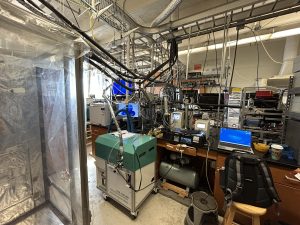
    Secondary Organic Aerosols (SOAs) are generated in the University of Florida Atmospheric Photochemical Outdoor Reactor (UF-APHOR), a large outdoor smog chamber. The Kore PTR 3c is situated in the laboratory directly below the UF-APHOR smog chamber. An indoor chamber in the laboratory allows research on both indoor and outdoor air, with reaction products carried through the heated gas line to the PTR-MS.

    Myoseon uses her PTR 3c to directly characterize products in real time from atmospheric processes acting on precursor hydrocarbons under various conditions in both indoor and outdoor chambers. With most of us spending 90% of our time indoors, identification of the gas mechanisms acting both indoors and out allows Myoseon to predict the health effects of air pollutants in relevant circumstances.


    Atmospheric pollutants such as aromatic hydrocarbons (e.g. toluene, benzene) and polyaromatic hydrocarbons (PAHs, e.g. naphthalene) can react to form secondary organic aerosol (SOA), a particulate matter that is known to be carcinogenic, cytotoxic, and a contributor to climate change. Sources such as paint, solvents, building materials, cooking fumes, personal care products and cleaning agents are all around us. The reactions are affected by environmental variables such as temperature, natural (UV)/artificial (LED and fluorescent) light, ozone, NO2 levels, humidity and seed conditions.


    Myoseon identifies major gas products of naphthalene photooxidation, e.g. naphthoquinone, 2-formycinnamaldehyde, phthaldialdehyde, and phthalic anhydride. Compounds can be tentatively identified by two methods: (1) comparison against molecular weight of products measured via GC-FIR or GC-MS; or (2) comparison against products predicted by the UNIfied Partitioning-Aerosol phase Reaction (UNIPAR) SOA Model, which predicts SOA formation via multiphase reactions of hydrocarbons. This model is uniquely able to simulate the impact of environmental variables on SOA formation and the significance of different precursors on SOA formation potentials.

    Dr Myoseon Jang says, “It was special collaborating with the Kore team to solve instrumental problems on this project.”


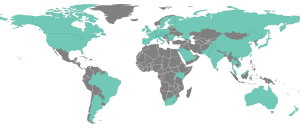
    We are proud to collaborate with Myoseon and support her strong progress with this important research. By driving down the cost of PTR-MS, Kore aims to make air quality research accessible worldwide, to tackle the global air quality crisis. Our mass spectrometers now operate in over 50 countries.

    Kore has sold an instrument to countries displayed in green, with more installations planned for 2025.


    Further reading

    Sanghee Han and Myoseon Jang (2024) Simulation of Secondary Organic Aerosol formation using near-explicitly predicted products from naphthalene photooxidation in the presence of NOx. ACS Earth and Space Chemistry 8 (12):2483-2494. DOI: 10.1021/acsearthspacechem.4c00217

    Spencer Blau and Myoseon Jang (2024) Modeling impacts of indoor environmental variables on secondary organic aerosol formation. Science of The Total Environment 955:177036, https://doi.org/10.1016/j.scitotenv.2024.177036.

  • Kore TOF-MS used for advancing isotopic purification of radiopharmaceuticals

    Kore TOF-MS used for advancing isotopic purification of radiopharmaceuticals

    Radiopharmaceuticals provide great promise in the field of cancer diagnostics and treatment. As the demand grows, so supply must ramp up. A critical path for this supply is purification of stable, naturally occurring isotopes of promising elements.

    In 2017, Dr Christine Steenkamp’s group at the Physics Department of Stellenbosch University, South Africa, received a Kore TOF-MS from The Council for Scientific and Industrial Research (CSIR) on long-term loan. Kore had manufactured this instrument for CSIR back in 2009 for laser control of molecular dynamics by femtosecond lasers [1,2]. Christine Steenkamp saw the potential to repurpose the instrument for its multiple advantages in the ion detection techniques needed for medical isotope research.

    Because different isotopes have different radiopharmaceutical properties, pure samples of the specific isotope are needed. Christine explains, “Different isotopes of the same element have different masses but the same chemical properties, ruling out chemical separation methods. Instead, we rely on methods using laser beams that interact with a vapour and selectively ionize a particular isotope.”

    The Kore TOF-MS offered multiple advantages for their experiment. “The low detection limit of the TOF-MS means that we can measure the tiny ion signal while our setup is still far from optimized and use this signal for optimization. The other advantage is that we can measure the full mass spectrum for each burst of laser pulses; therefore, we can see the ratio of the isotopes during optimization in real time.”

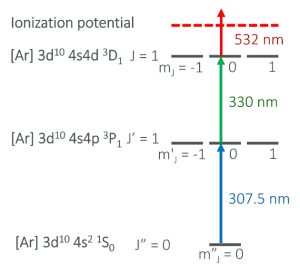
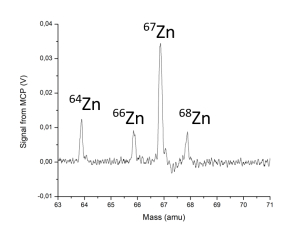
    Dr Frederick Waso in Christine’s group investigated a laser-based method to purify two isotopes of natural zinc metal (67Zn and 68Zn) that are needed to produce the radiopharmaceuticals used in medical diagnostic PET and SPECT scans [3]; thereby extending earlier experimental work by Dr André de Bruyn [4]. “We work with very small amounts of zinc, evaporating a few milligrams during an experiment”, says Frederick. “We were successful in ionizing the natural isotopes of zinc and demonstrating how the laser pulse energies and pulse timing influenced the ionization efficiency [3,4]. We also developed an ionization scheme that makes it possible to ionize the 67Zn isotope selectively using broadband lasers [3,5]. In our experiment, the abundance of 67Zn was increased from 4% in the natural sample to 90% in the ion sample. The Kore TOF-MS was easy to set up for this method development [6]. The team at Kore is highly knowledgeable about the Kore instruments and gives valuable technical support.”

    Once the purification method has been optimized, industry partners can then upscale this for commercial production of high-value medical-grade samples. A medical cyclotron is used to convert the sample into the radiopharmaceutical, which then has a limited lifetime during which it can be used to diagnose or treat patients. This complex, multi-stakeholder chain ends with the patient, who receives state-of-the art medical treatment. Kore is delighted to provide a link in this chain.


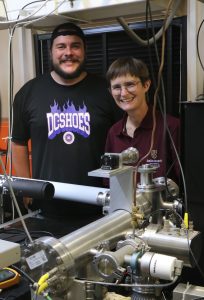
    Frederick Waso and Christine Steenkamp at Stellenbosch University.
    Frederick says, “The Kore TOF-MS was easy to set up for this method development. The team at Kore is highly knowledgeable about the Kore instruments and gives valuable technical support.”

    Christine says, “The Kore team has been extremely helpful. When we received the TOF-MS from CSIR in 2017, although this was 8 years since they sold the instrument, the team could provide us with the necessary technical details. They answered questions and provided helpful advice in setting up the instrument.”


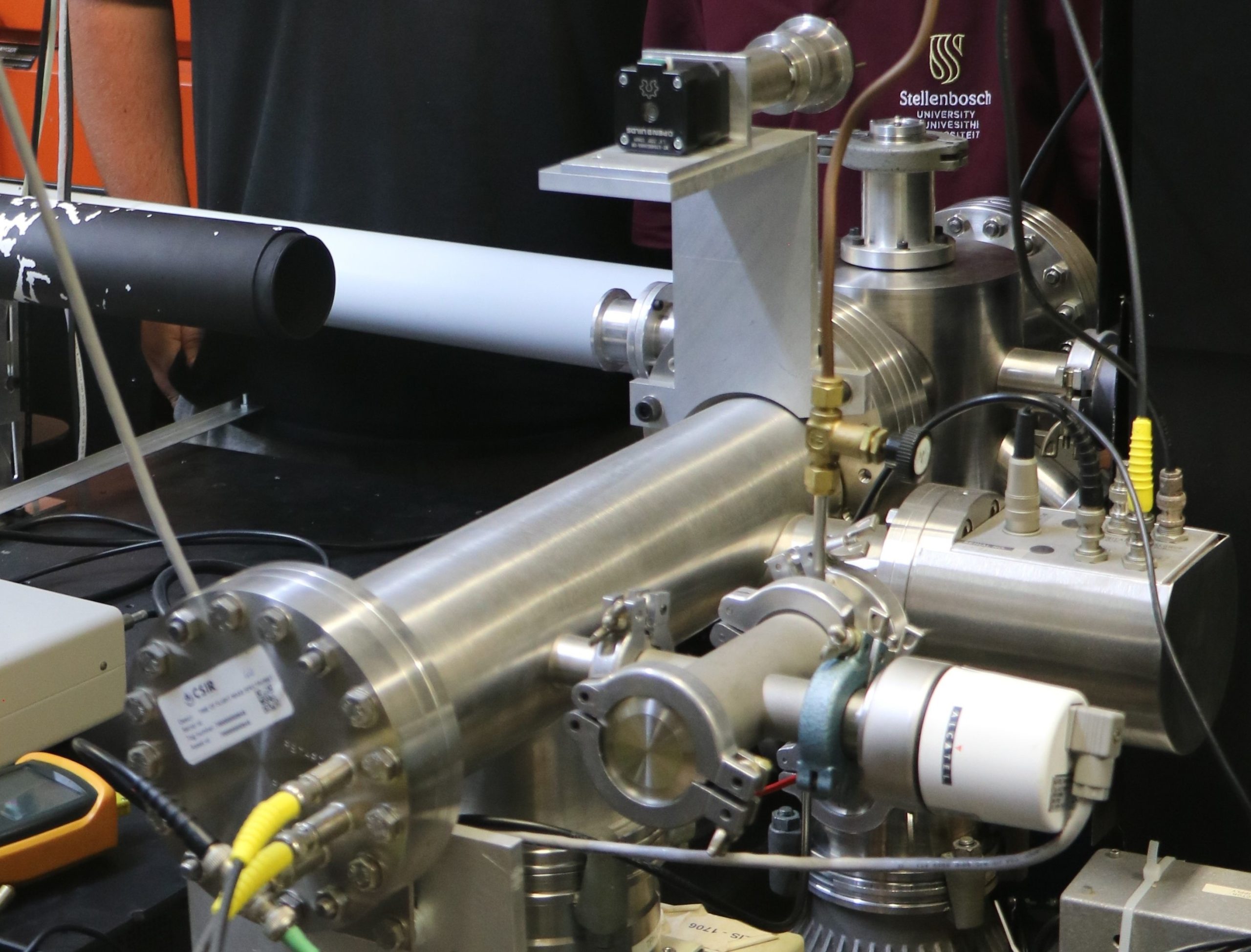
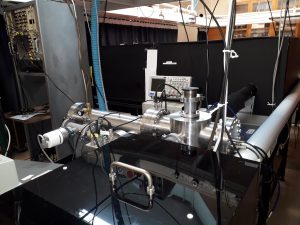
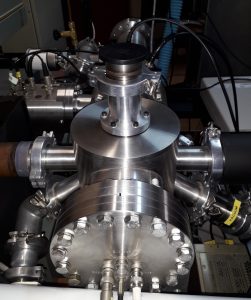
    Photos of the Kore TOF-MS setup. For laser safety reasons, all optical setups are covered by black-painted panels and laser beams are guided through pipes.


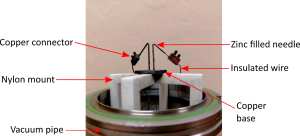
    The atomic vapour source, consisting of zinc filled needles heated by electric current.


    Ionization scheme used for selective ionization of 67Zn. The second excitation step (green arrow) is forbidden for the even-mass isotopes of zinc by quantum mechanical selection rules.


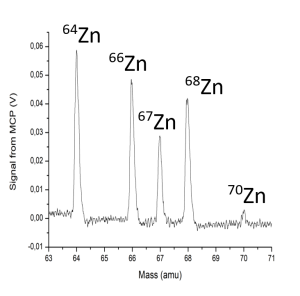
    (a) Mass spectrum showing the natural isotopes of zinc. (b) Mass spectrum of zinc isotopes ionised using an ionization scheme where ionization of the even-mass isotopes is suppressed by quantum mechanical selection rules. The ion sample demonstrates an enriched 67Zn when compared to the other isotopes of zinc.


  • Kore’s TOF-SIMS SurfaceSeer S at Innovia Films

    Kore’s TOF-SIMS SurfaceSeer S at Innovia Films

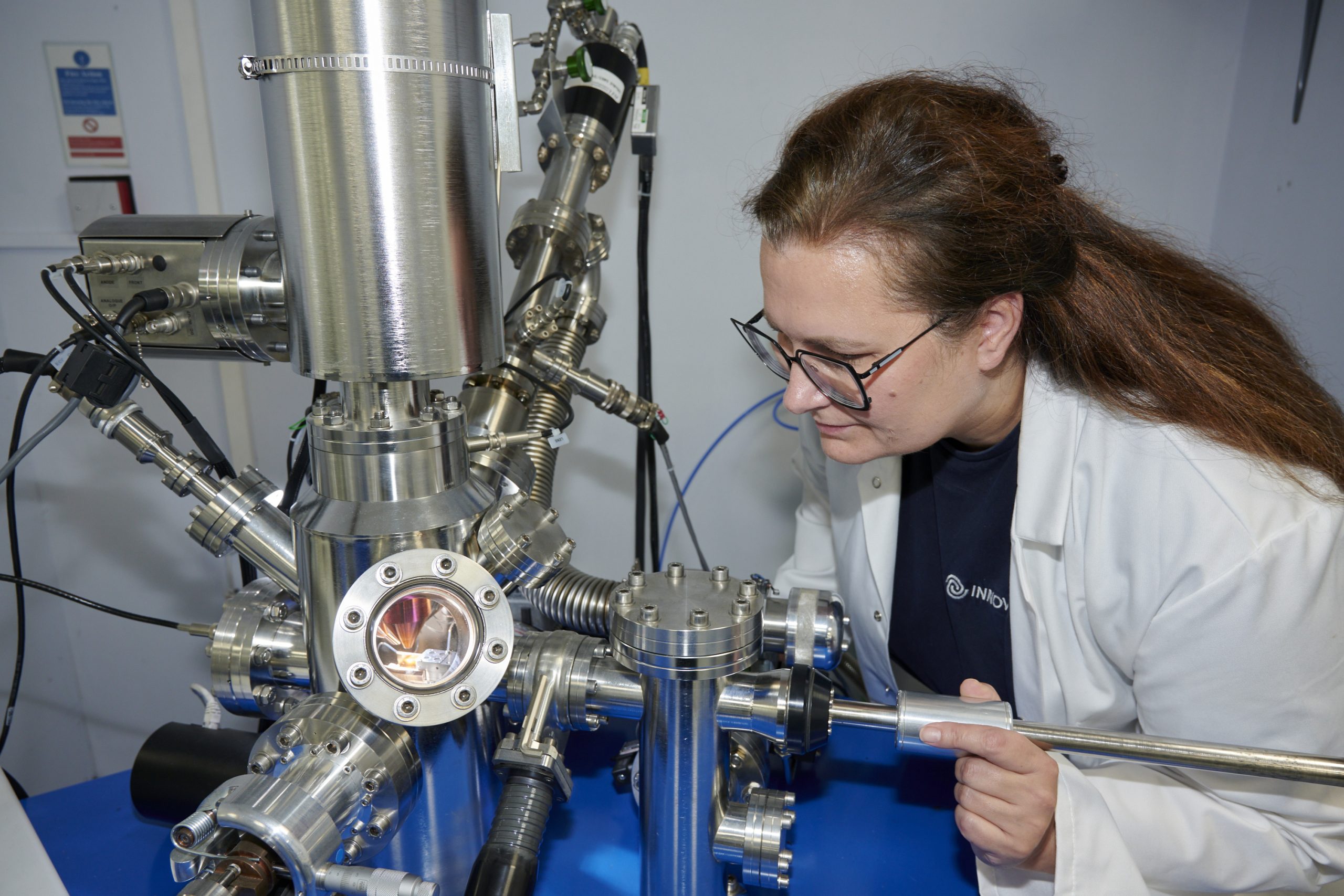
    Time-of-flight secondary ion mass spectrometry (TOF-SIMS) is a highly sensitive surface-analysis technique, revealing mass spectral data from the top few atom layers of a sample. Kore is proud to be the TOF-SIMS supplier for Innovia Films, a materials science company manufacturing the base film for a wide product range including labels and packaging, as well as the banknotes that make the world go round.

    Back in 2006, Innovia Films approached Kore with a requirement to investigate different surface treatments of their highly differentiated biaxially oriented polypropylene (BOPP) films. Kore designed the SurfaceSeer instrument that became the basis for subsequent TOF-SIMS instruments from Kore, and provided Innovia with the required functionality. The instrument was installed at Innovia’s R&D facility and has been in daily use ever since for research and quality assurances. Their unique ‘Bubble Process’ inflates an enormous tube-shaped bubble of film nearly four storeys high, which is then heated, stretched, rolled, and engineered to create the highly intricate printed, texturised, durable banknotes and other plastic products.

    The ‘Bubble Process’ used to produce Innovia’s specialised thin-film products, including banknotes. The giant bubble is inflated to a height of almost four storeys.

    Project Manager Vitalija Kendall mainly uses the TOF-SIMS instrument to look for any kind of contamination on the surface. She explains, “Contamination regularly transpires to be polydimethylsiloxane (PDMS), and presence of some of these compounds can cause material performance issues, such as ink adhesion and printability. These failures can lead to complaints, which can lead to financial loss. The SurfaceSeer S is a workhorse for defending complaints.”

    Project Manager Vitalija Kendall says: “Kore understood our needs and worked with us to supply a fit-for-purpose instrument, enabling Innovia Films to have an analytical capability it simply would not have had otherwise. This has provided Innovia Films with a market edge for years.”

    The instrument was custom-designed at Kore to meet Innovia’s required price point. “For homogeneous films such as those we make, a spectrometry-only TOF-SIMS answers 99% of our requirements. The primary source comprises a 5keV Ar+ ion beam focused to ~100um, with 30eV electron charge neutralisation to permit analysis of our insulating films. With sample pump-down times of 1–2 minutes, and data acquisition times of only 2–5 minutes, we can analyse a lot of samples per day. We have other surface techniques in our laboratories but nothing with such surface sensitivity.”

    Over the years, Kore and Innovia have worked closely together to keep the instrument running successfully and minimise downtime. This long-standing support is proof of Kore’s enduring care for all of our customers and instruments hard at work around the world. “Kore provides brilliant support regarding applications, performance, issue solving and transferring knowledge,” says Vitalija.

  • Chinese National Environmental Monitoring Centre (CNEMC) visit to Kore

    Chinese National Environmental Monitoring Centre (CNEMC) visit to Kore

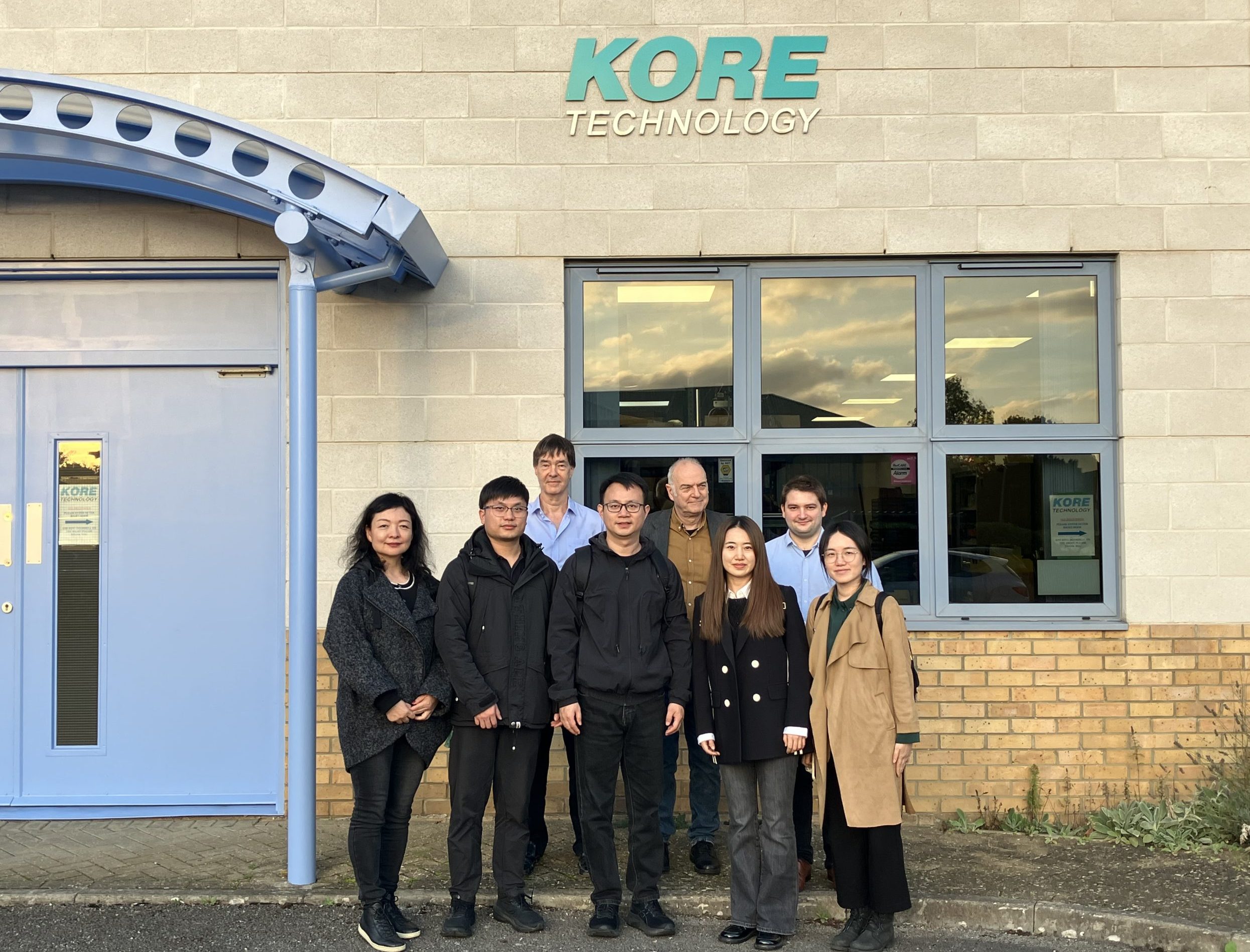
    On 23rd October 2024, Kore was delighted to welcome a delegation from the Chinese National Environmental Monitoring Centre (CNEMC) for knowledge exchange regarding strategic use of PTR- and EI-TOF-MS in the environmental monitoring sector. CNEMC engineers work closely with our collaborators in China, Beijing SDL Technology Co., on environmental analytical instruments. The lead engineers of CNEMC Instrument Quality Supervision and Inspection Center travelled from Beijing to Ely, to discuss detection of compounds of concern in surface/meteoric water, waste water, atmospheric air, and flue gas/incinerator emissions with our experts.

    CNEMC engineers provide the crucial role of quality assurance and certification of environmental monitoring products across every province of China. They accredit fenceline, stationary and portable monitoring instruments for volatile organic compounds, particulates, NOx, SOx, pH, heavy metals, and many other pollutants. They also test and certify data acquisition and transmission equipment across vast networks of instrumentation, which together realise their goal of examination and monitoring at a national level. Established in 1980, CNEMC is a public institution directly affiliated to the Ministry of Ecology and Environment, producing up-to-date reports, technical guidance and training.

    Kore engineers were glad to have the opportunity to showcase their innovative environmental monitoring instruments, and to discuss the latest challenges and solutions being developed at CNEMC. We are most grateful to the delegation for travelling to the UK to meet with us in person, and we look forward to further global exchanges of ideas and shared goals for a greener future.

  • Seeking the holy grail: Kore EI-TOF-MS in nanodiamond discovery

    Seeking the holy grail: Kore EI-TOF-MS in nanodiamond discovery

    Carbon nanomaterials are in the spotlight for diverse state-of-the-art research concepts and technologies: from quantum matter, which could one day enable secure quantum communication, to pigments for reflecting infrared light from windows to keep your house cool. Their multiple possibilities for chemical modification make them a prime target for top-down and bottom-up materials engineering. The so-called ‘on-surface synthesis’ bottom-up fabrication of carbon nanomaterials makes it possible to envision new nanofabrication paradigms, such as multi-layered, atomically precise carbon nanoarchitectures, which would serve as integrated, compact nanodevices.

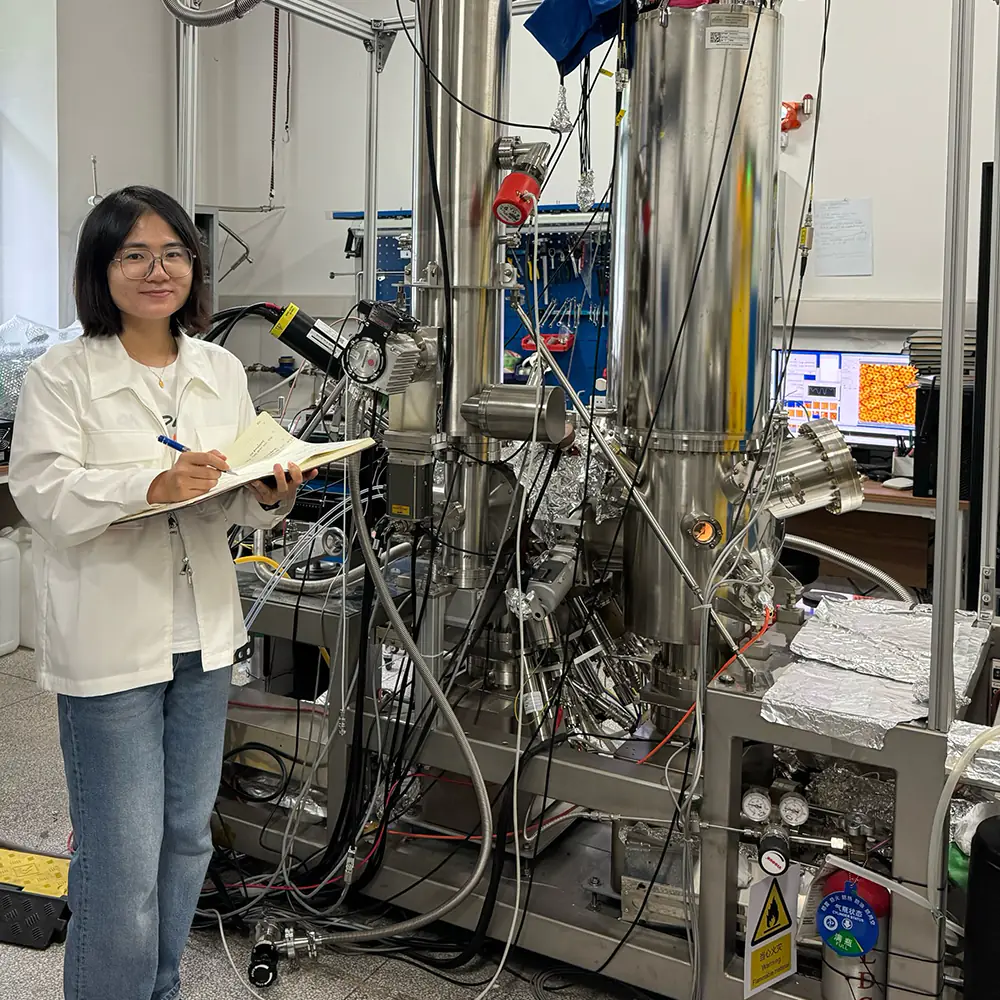
    Yan Wang, Carlos-Andres Palma and team at the Humboldt-Universität zu Berlin and Institute of Physics, Beijing, have installed a custom Kore EI-TOF-MS in a 1 K scanning tunnelling microscopy (STM) ultra-high vacuum (UHV) chamber to characterize and monitor the on-surface fabrication of carbon nanomaterials. Their current research pertains to a highly coveted carbon nanomaterial: atomically precise nanodiamond.

    One of their latest EI-TOF-MS discoveries is the fabrication of ‘nanographanes’ — cut-outs of graphane (a fully hydrogen-saturated graphene layer) through hydrogenation of sp2-carbon nanomaterials. Although TOF-MS is established among this research community as a leading technique for characterisation of the macromolecular reactions involved in on-surface synthesis, such as graphene nanoribbons, this is one of the first attempts to characterise such materials in situ, under UHV conditions, especially fully saturated sp3-carbon precursors of nanodiamond.

    One holy grail of nanodiamond research is its precise fabrication from smaller pieces, much like pieces of Lego© blocks’ says Palma. ‘Once such a strategy is established, expectations of technological impact might match those which accompanied the discovery of graphene. Unfortunately, we do not know which carbon nanomaterials are the best atomically precise nanodiamond sources. We need to test many carbon nanomaterials using our TOF-MS’.

    Their most recent work, uploaded in arXiv (October 2024), attempts to build diamondane-chains on metal surfaces, which might be rendered superconductive in the future. ‘Previously, our group showed that carbon nanowires made from nanographenes had conductivities similar to noble metal nanowires’ says Yan Wang, first author of the work. ‘Nanodiamond-like structures have been predicted to be superconducting at relatively high temperatures, and my project deals with the discovery of diamond nanowires. The Kore EI-TOF-MS helps me learn if the on-surface or in-architecture fabrication protocol that I chose is promising’ says Yan Wang. Kore collaborates with Yan to implement laser-induced desorption mass spectrometry, to push the on-surface synthesis frontier ever further.


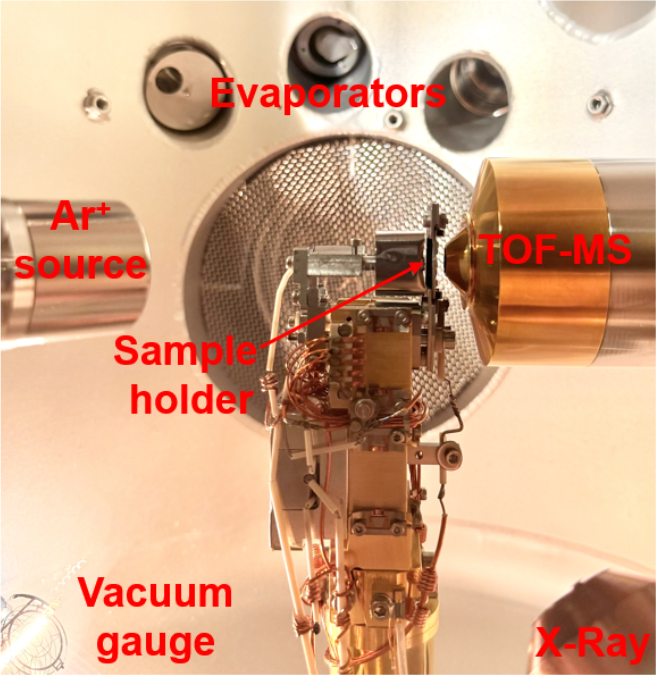
    Figure 1: Depiction of the sample at the measurement position of the EI-TOF-MS inside the UHV chamber.


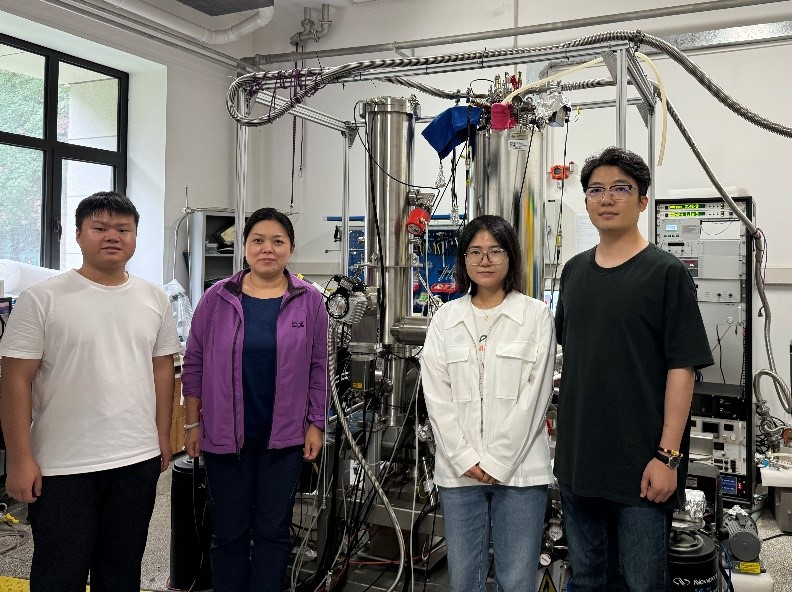
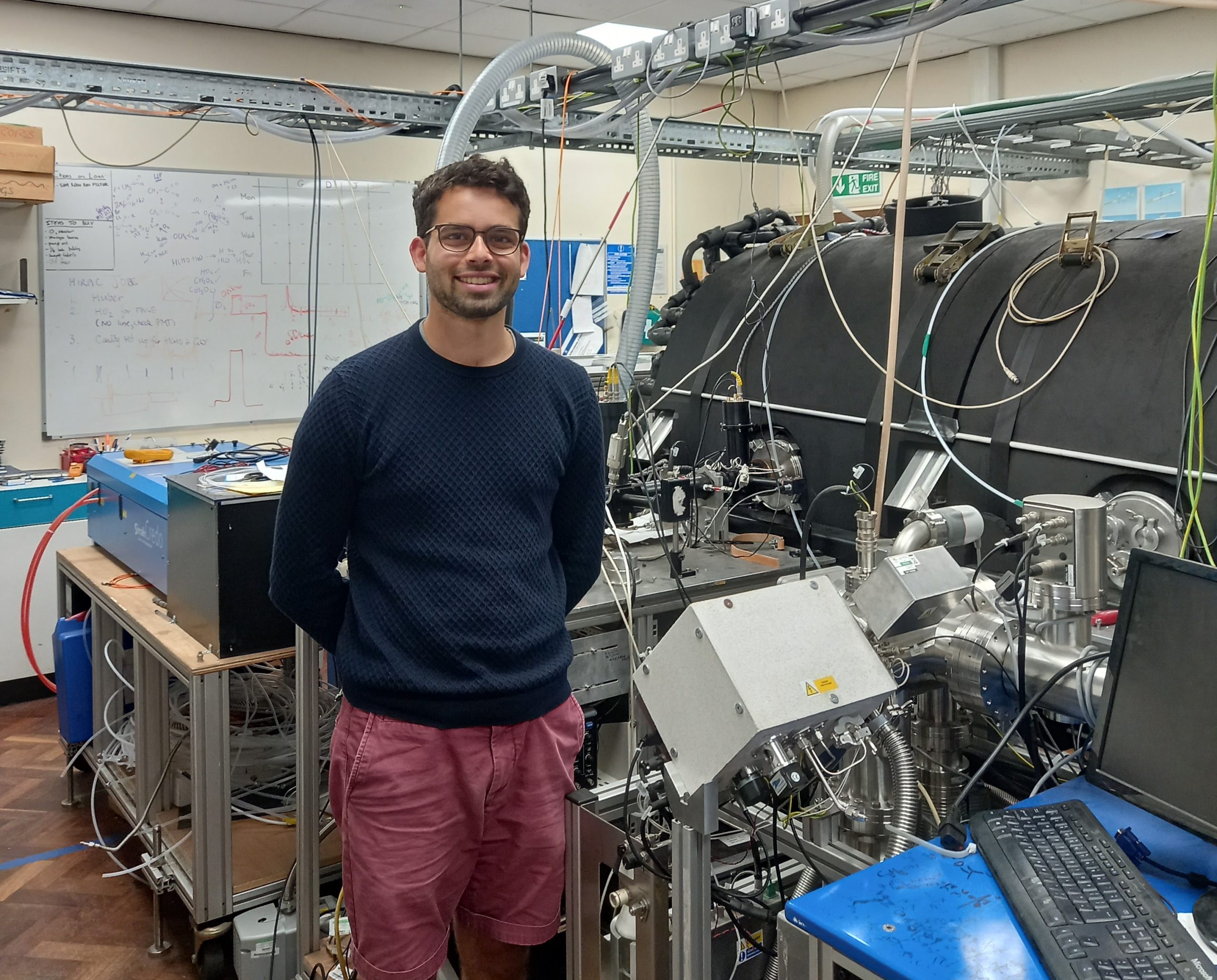
    Figure 2: The UHV-STM-TOF-MS system at the Institute of Physics, Beijing. Left to right: BSc. Jun Long, Prof. Juan Li, Dr. Yan Wang, Dr. Xiaoxi Zhang.


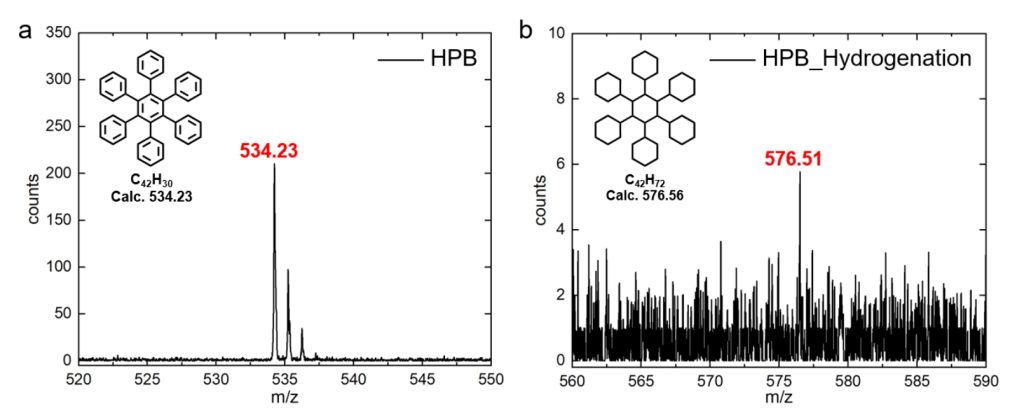
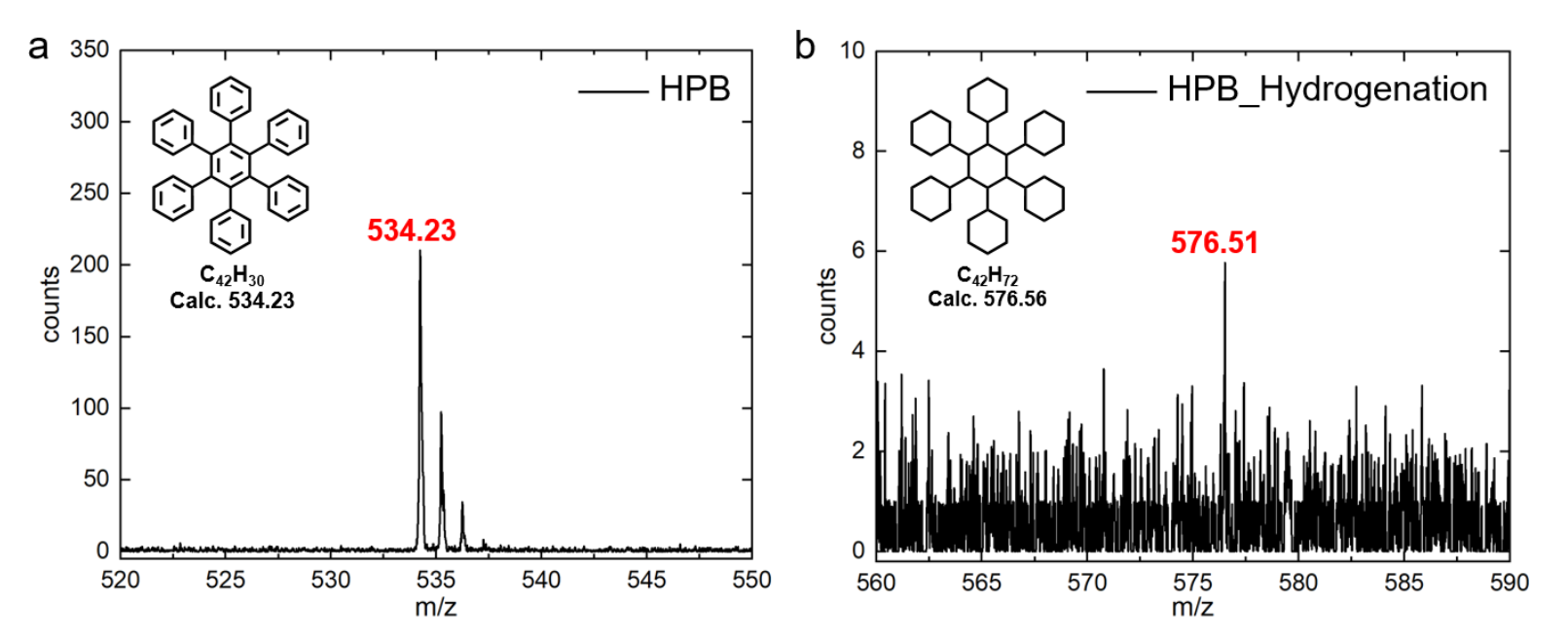
    Figure 3: TOF-MS spectra of hexaphenylbenzene (HPB) molecules and fully hydrogenated HPB, respectively. a) TOF-MS of HPB before hydrogenation, the MS peak is 534.23 m/z (calc. 534.23 m/z). b) TOF-MS of fully hydrogenated HPB, the MS peak is 576.51 m/z (calc. 576.56 m/z).
     

    Further reading

    1. In-architecture X-ray assisted C-Br dissociation for on-surface fabrication of diamondoid chains (2024) Yan Wang, Niklas Grabicki, Hibiki Orio, Juan Li, Jie Gao, Xiaoxi Zhang, Tiago FT Cerqueira, Miguel AL Marques, Zhaotan Jiang, Friedrich Reinert, Oliver Dumele and Carlos-Andres Palma. Submitted to arXiv 25/10/24. https://doi.org/10.48550/arXiv.2410.19466
    2. Hydrogenation of hexa-peri-hexabenzocoronene: an entry to nanographanes and nanodiamonds (2023) Yan Wang, Zishu Wang, Zijie Qiu, Xiaoxi Zhang, Jianing Chen, Juan Li, Akimitsu Narita, Klaus Müllen and Carlos-Andres Palma. ACS Nano 17 (19): 18832-18842. https://doi.org/10.1021/acsnano.3c03538
    3. Self-assembly and photoinduced fabrication of conductive nanographene wires on boron nitride (2022) Xiaoxi Zhang, Fabian Gärisch, Zongping Chen, Yunbin Hu, Zishu Wang, Yan Wang, Liming Xie, Jianing Chen, Juan Li, Johannes V. Barth, Akimitsu Narita, Emil List-Kratochvil, Klaus Müllen and Carlos-Andres Palma. Nature Communications 13: 442. DOI: 10.1038/s41467-021-27600-1
    4. Photon and electron induced macromolecular synthesis on insulating surfaces (2018) Carlos-Andres Palma. Editor(s): Klaus Wandelt, Encyclopedia of Interfacial Chemistry pp361-369. Elsevier ISBN 9780128098943. https://doi.org/10.1016/B978-0-12-409547-2.13700-X
    5. Monitoring the on-surface synthesis of graphene nanoribbons by mass spectrometry (2017) Wen Zhang, Zongping Chen, Bo Yang, Xiao-Ye Wang, Reinhard Berger, Akimitsu Narita, Gabriela Borin Barin, Pascal Ruffieux, Roman Fasel, Xinliang Feng, Hans Joachim Räder and Klaus Müllen. Analytical Chemistry 89 (14): 7485-7492. https://doi.org/10.1021/acs.analchem.7b01135


  • Prize-winning air pollution research using the Kore PTR-TOF-MS

    Prize-winning air pollution research using the Kore PTR-TOF-MS


    Air pollution is globally recognised as a major challenge of our time. Atmospheric chemists use three main methods – field work, laboratory studies and computer simulations – to build an understanding of anthropogenic harm. Field measurements are used to inform and refine large-scale computer modelling simulations, in an effort to establish the chemical mechanisms of compounds of concern. These results can then be compared to laboratory studies where chemists can use controlled environments to study the reactions of specific compounds.

    At the 27th International Symposium on Gas Kinetics and Related Phenomena 2024, we were delighted to learn that University of Leeds student Danny McConnell was awarded the ‘Best Poster’ prize for his work on glyoxal, a compound of interest for its role in harmful secondary organic aerosol production. Danny uses a Kore PTR-TOF-MS in the School of Chemistry at the University of Leeds to track the removal of important volatile organic compounds (VOCs) in an atmospheric simulation chamber. The chamber is also coupled with a laser induced phosphorescence instrument designed to detect glyoxal. His new data suggests that aromatic compounds in the marine boundary layer contribute to the production of glyoxal.

    A critical goal of Danny’s work is to explain discrepancies between the observed and the modelled data on glyoxal production from hydrocarbon oxidation. This important research not only adds to our knowledge base of the gas kinetics involved, but also helps to refine chemical mechanism models. We wish Danny and his group at the University of Leeds many congratulations on their prize and continued success with their work.

    Danny McConnell Poster PDF